Join Our HVAC Maintenance Membership Today
Smart Thermostat Installations
Smart thermostat installations give homeowners better control over heating and cooling systems. These modern controls help improve comfort, support energy efficiency, and simplify temperature management.
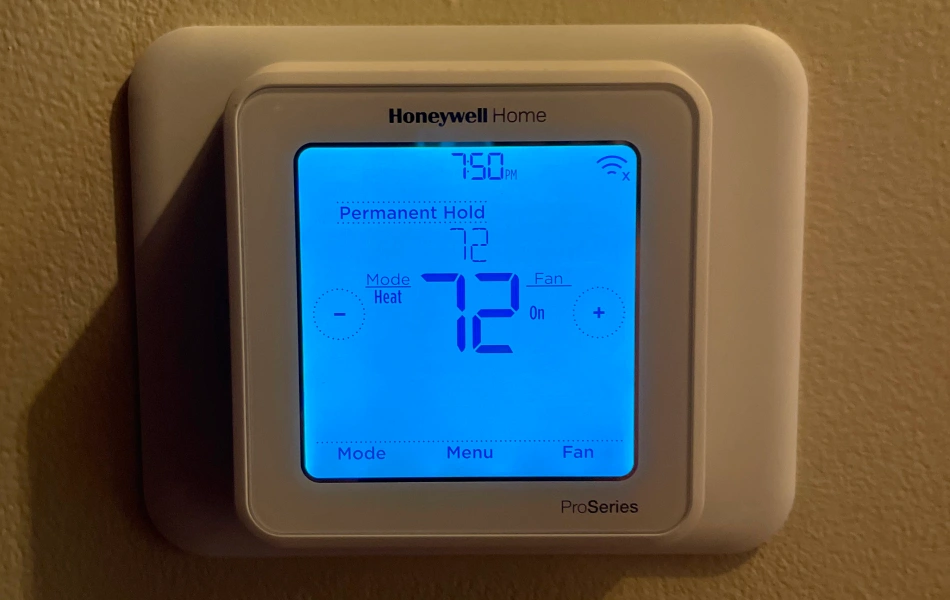
Heating and cooling systems depend on thermostats to control when equipment turns on and off. Traditional thermostats provide basic temperature control, yet modern smart thermostat technology offers homeowners greater convenience and improved energy management.
Smart thermostat installation allows homeowners to monitor and adjust their HVAC systems from anywhere using mobile devices. These systems provide precise temperature control and scheduling features that help maintain consistent indoor comfort throughout the day.
Homes in Dowagiac, MI experience large seasonal temperature changes that require heating and cooling systems to operate throughout the year. Smart thermostats allow homeowners to adapt system operation to daily routines while improving overall efficiency.
Traditional thermostats often require manual adjustments whenever indoor temperatures need to change. Smart thermostat systems automate these adjustments through programmable schedules and remote access features.
Our smart thermostat installation service helps homeowners upgrade their HVAC systems with modern control technology. Technicians install compatible thermostat systems and configure them to communicate properly with heating and cooling equipment.
Smart thermostat installation service includes evaluating the home’s HVAC system, selecting compatible thermostat equipment, and integrating the device with the system controls. Once installed, technicians guide homeowners through system features and scheduling options.
Lake Effect Heating and Cooling provides smart thermostat installation services in Dowagiac, MI designed to improve comfort and simplify temperature control. With more than 25 years of HVAC industry experience, our technicians install thermostat systems that support efficient heating and cooling operation.
Smart thermostats are designed to improve how heating and cooling systems respond to changing indoor conditions. These devices monitor indoor temperatures and adjust system operation automatically based on user preferences.
Unlike traditional thermostats, smart systems include advanced features that help maintain consistent indoor temperatures while reducing unnecessary system operation.
Some key capabilities include:
Programmable Temperature Scheduling
Homeowners can create temperature schedules that automatically adjust heating and cooling throughout the day.
Remote Temperature Control
Smart thermostats connect to mobile devices through wireless networks. This allows homeowners to change temperature settings even when they are away from home.
Energy Usage Monitoring
Many smart thermostats provide reports showing how heating and cooling systems operate throughout the day.
Adaptive Temperature Learning
Some thermostat models learn homeowner preferences and adjust system operation automatically.
System Performance Alerts
Smart thermostats can notify homeowners when system issues occur or when air filters require replacement.
These features help HVAC systems operate more efficiently while maintaining comfortable indoor conditions.
When heating and cooling equipment runs only when necessary, system wear is reduced and energy usage often decreases.
Smart thermostat installation requires proper system configuration to ensure the thermostat communicates correctly with the HVAC equipment. Different heating and cooling systems require specific wiring configurations and control settings.
Professional installation ensures the thermostat integrates properly with the existing HVAC system.
During installation, technicians perform several steps:
System Compatibility Evaluation
Technicians determine whether the HVAC system supports smart thermostat technology.
Thermostat Wiring Inspection
Existing thermostat wiring is inspected to verify it supports the new device.
Device Installation
The new thermostat is mounted and connected to the HVAC system.
System Communication Setup
The thermostat is configured to communicate with heating and cooling equipment.
Network Integration
The thermostat is connected to the home’s wireless network to enable remote control features.
Once installation is complete, technicians verify system operation and ensure heating and cooling equipment responds correctly to thermostat commands.
Professional installation prevents common issues such as incorrect wiring or communication errors that could prevent the thermostat from controlling the system properly.
Homeowners also receive guidance on how to use thermostat features, adjust schedules, and monitor system operation through mobile applications.
Smart thermostats provide homeowners with more precise control over heating and cooling systems. By adjusting system operation automatically, these devices help maintain comfortable indoor temperatures while reducing unnecessary energy usage.
Many households maintain heating or cooling throughout the day even when no one is home. Smart thermostat scheduling allows systems to operate only when needed.
For example, a thermostat schedule may reduce heating during daytime hours when occupants are away and restore comfortable temperatures before they return home.
These adjustments help reduce energy usage without sacrificing comfort.
Smart thermostats also allow homeowners to adjust temperatures remotely. If outdoor weather conditions change unexpectedly, homeowners can modify temperature settings through their mobile devices.
Additional benefits of smart thermostat installation include:
Improved temperature consistency throughout the home
Reduced energy consumption during unoccupied hours
Better control of heating and cooling schedules
Simplified thermostat operation through mobile apps
By optimizing HVAC system operation, smart thermostats help maintain efficient heating and cooling performance.
Smart thermostat systems play an important role in maintaining long term HVAC efficiency. When heating and cooling equipment operates under controlled schedules, system components experience less wear.
Reduced system runtime helps extend the lifespan of equipment such as compressors, blower motors, and heating components.
Smart thermostats also provide system alerts that notify homeowners when maintenance may be needed. For example, alerts may indicate when air filters require replacement or when system performance changes unexpectedly.
These alerts allow homeowners to schedule service before small issues develop into larger system problems.
Combining smart thermostat installation with routine HVAC maintenance helps maintain reliable heating and cooling performance.
Lake Effect Heating and Cooling provides smart thermostat installation services that support efficient HVAC system operation for homeowners in Dowagiac, MI. Our technicians install thermostat systems that simplify temperature control while supporting reliable heating and cooling performance.
Most modern HVAC systems are compatible with smart thermostats, though some older systems may require additional wiring or control upgrades.
Yes. By adjusting system operation based on schedules and occupancy patterns, smart thermostats often reduce unnecessary heating and cooling usage.
Internet connectivity allows homeowners to access remote control features through mobile devices. The thermostat can still operate locally without internet access.
Yes. Smart thermostats are designed to control both heating and cooling systems through the same device.
The device itself requires little maintenance, though HVAC systems should still receive routine service to maintain proper performance.
Keep your HVAC system operating efficiently with routine maintenance visits that support reliable heating and cooling performance throughout the year.